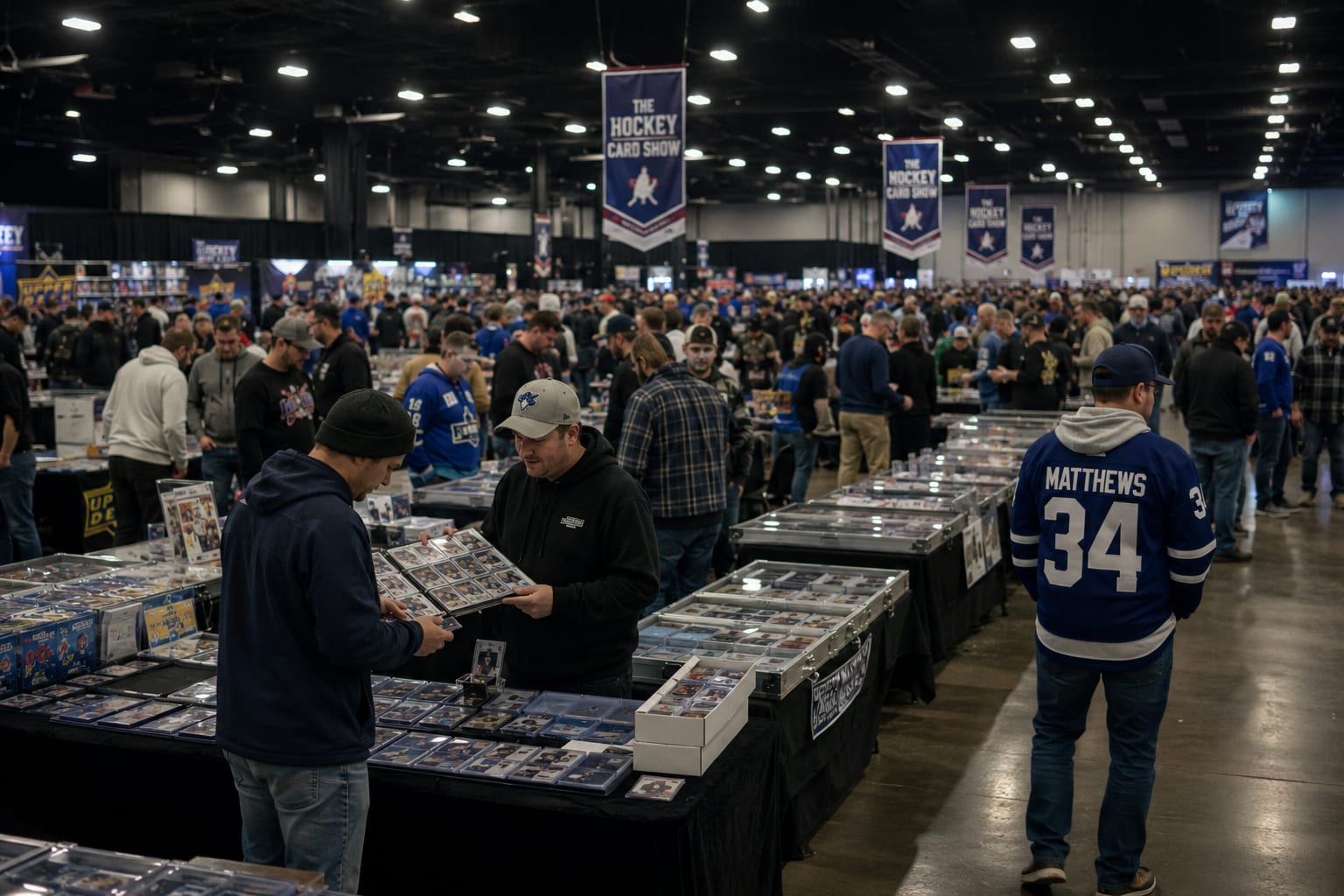
A long time ago, in a galaxy far, far away… before eBay auctions, PayPal invoices, Whatnot streams, and Facebook Marketplace lowballs… trading cards were actually... traded.
Crazy concept, I know.
The earliest sports trading cards date back to the late 1800s, when tobacco companies started putting baseball cards into cigarette packs. And from the very beginning, the hobby was built around one thing: collectors swapping cards with each other.
Because honestly, selling a card is usually pretty emotionless.
Someone sends money. You ship the card. Transaction over.
There’s no real connection to it. No conversation. No negotiation. No hobby interaction. It’s just a monetary exchange.
Trading feels completely different.
There’s more discussion involved. More personality. More back-and-forth. You get to look through each other’s collections, talk about players, negotiate value, and actually interact with another collector instead of simply processing a transaction.
And honestly, some of the best deals in the hobby happen through trades.
Not because someone “won” the trade, but because both collectors walked away with cards they genuinely wanted and a conversation that takes you away from the hustle and bustle of the real world, and brings out the little things.
Sometimes you’ll even give someone a better deal than market value simply because you know how badly they want the card. Other times, maybe someone really wants a card you have and is willing to overtrade a little to get it.
That flexibility is what makes trading fun.
Trading Hockey Cards Can Actually Save You Money
One of the biggest advantages of trading hockey cards instead of selling them is avoiding all the extra nonsense that comes with selling.
No seller fees. No marketplace cuts. No taxes at checkout. No worrying about reporting every transaction.
Especially with higher-end cards, selling can become a headache pretty quickly once you factor in:
- fees
- shipping
- taxes
- payment processing
- marketplace commissions
Trading removes a lot of that friction.
And in many cases, it also allows collectors to move cards they may not necessarily want anymore into cards they actually do want without having to constantly spend more cash out of pocket.
Sometimes cash is tight. Sometimes collectors would rather move value they already have instead of continually spending more money.
That’s where trading becomes incredibly useful.
Trading Feels More Like the Actual Hobby
More than anything, trading just feels more connected to the heart of the hobby.
It creates conversations. It creates friendships. It creates stories.
A lot of collectors can remember huge trades they made years ago way more vividly than random eBay purchases. Because trades feel personal.
You remember the negotiation. You remember the collector. You remember the excitement of finally landing a card you’d been chasing. And honestly, that interaction is what separates collecting from simply buying things online. It’s part of why card shows are so fun in the first place.
The hobby becomes more social, more interactive, and honestly just more enjoyable when collectors are actually engaging with each other instead of simply clicking “Buy It Now.”
That’s also a huge part of what we’re trying to build with iCardCollection.
A place where hockey collectors can:
- showcase their trade bait
- connect with other collectors
- negotiate deals
- build reputation
- bring some of that original trading culture back into the hobby online
Because at the end of the day, hockey cards are more fun when collectors are actually interacting with each other, not just processing transactions.